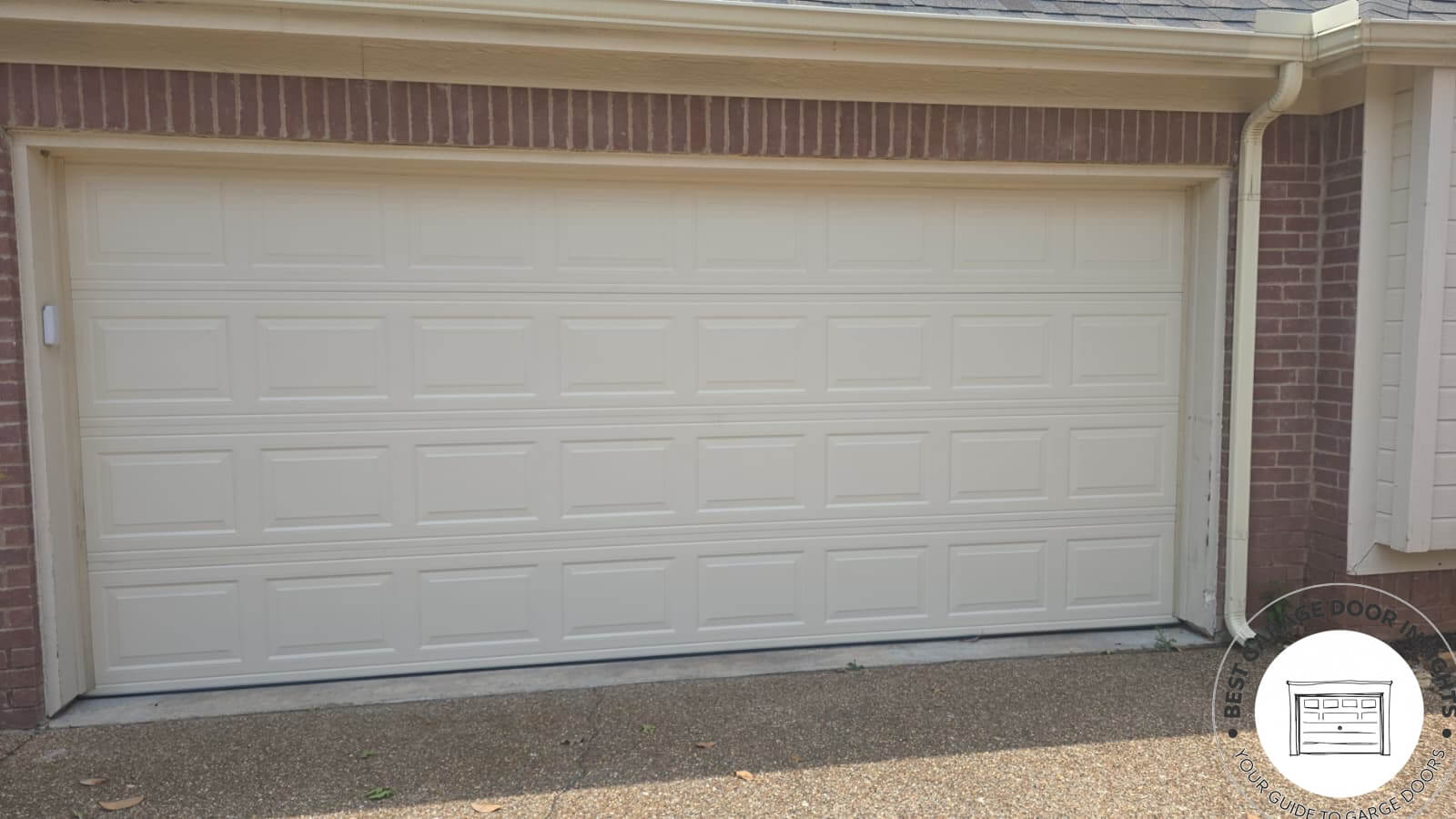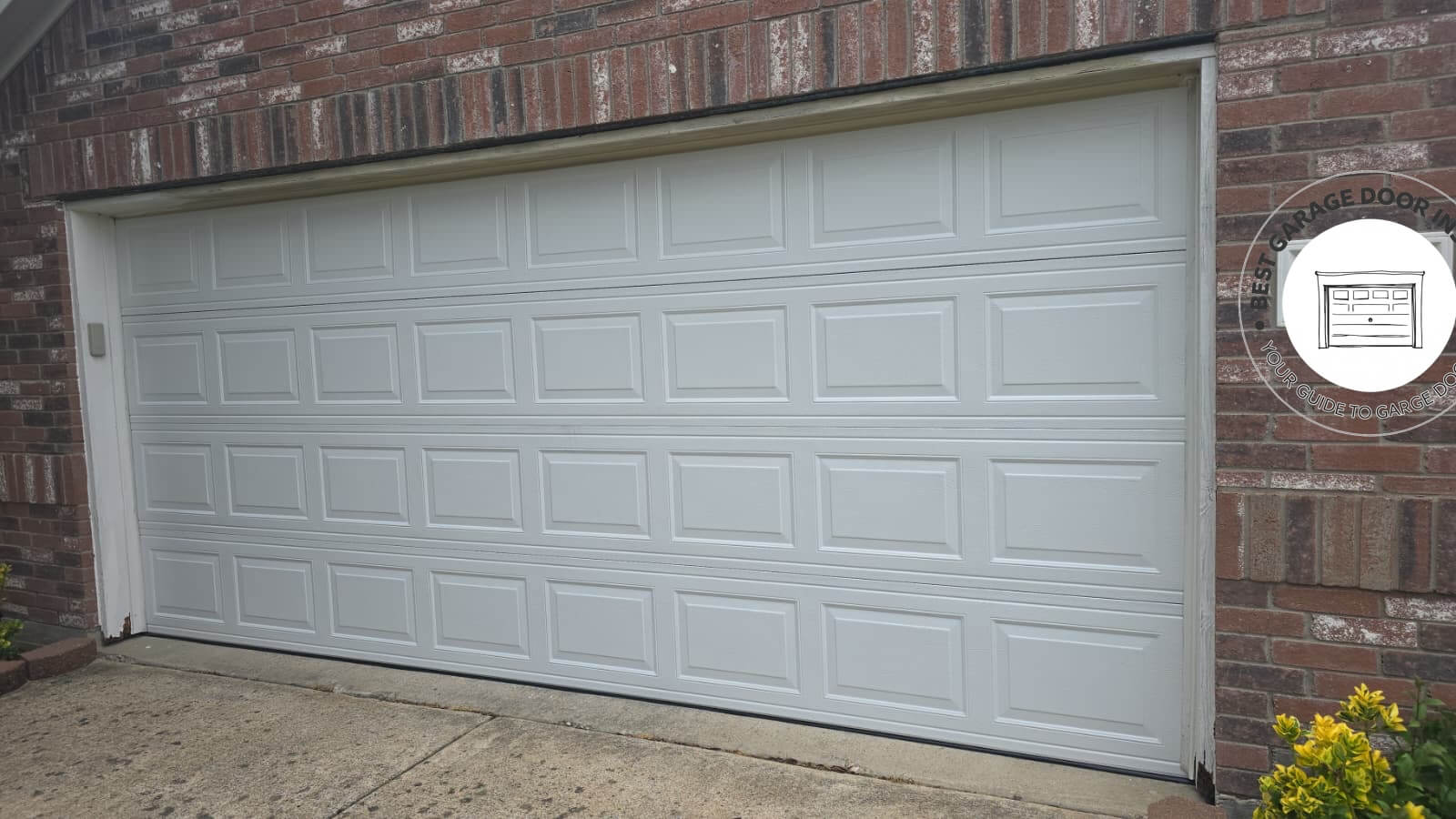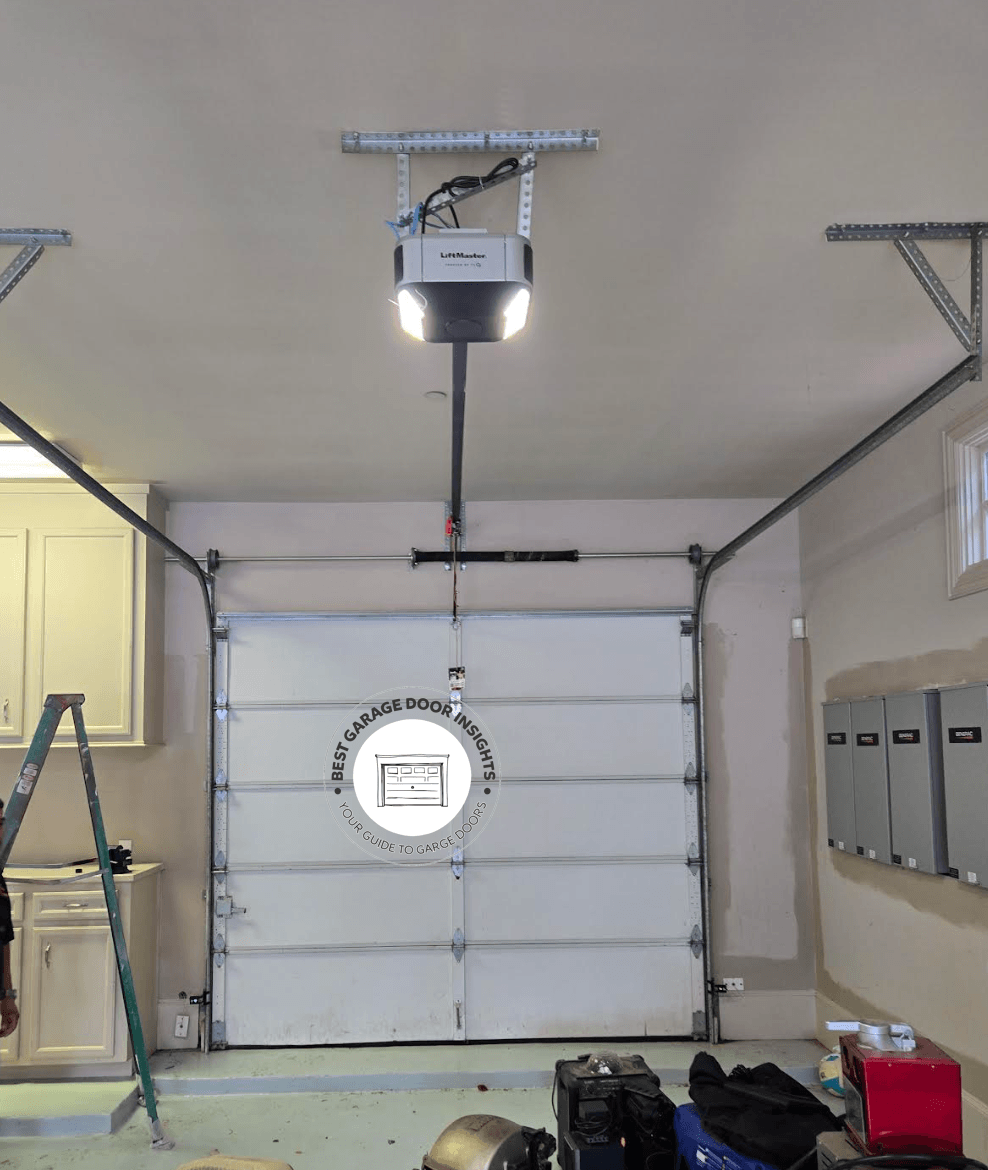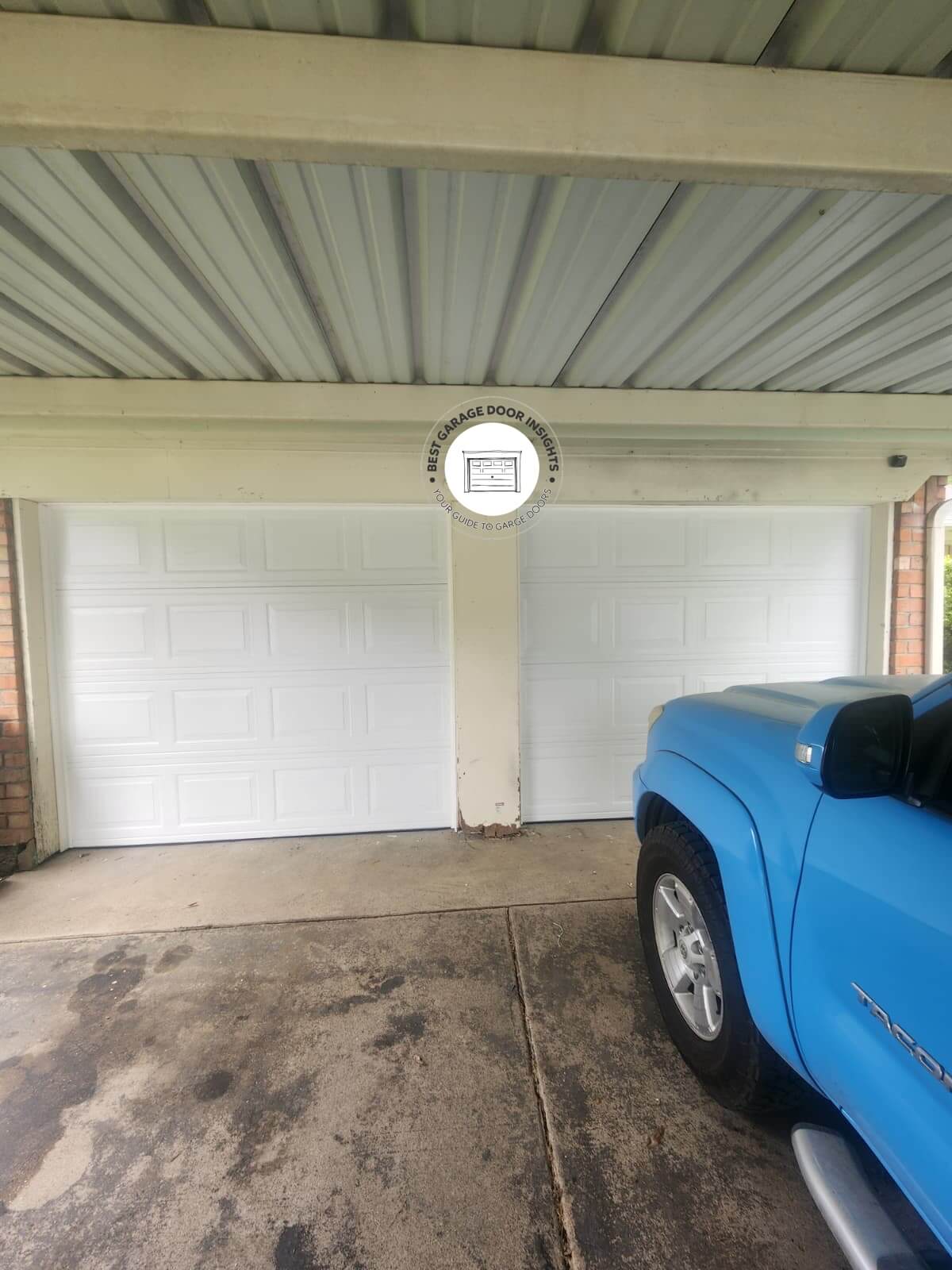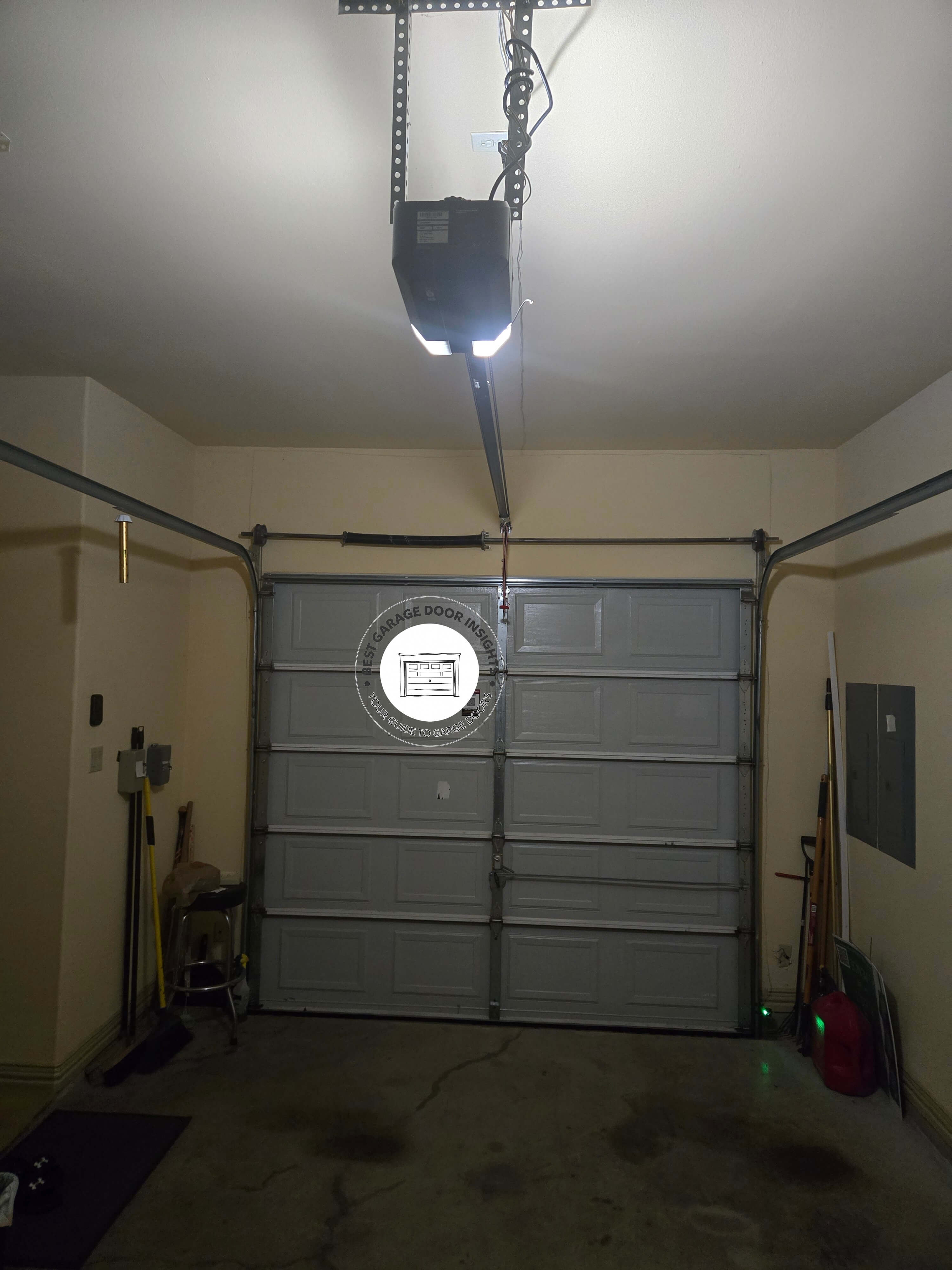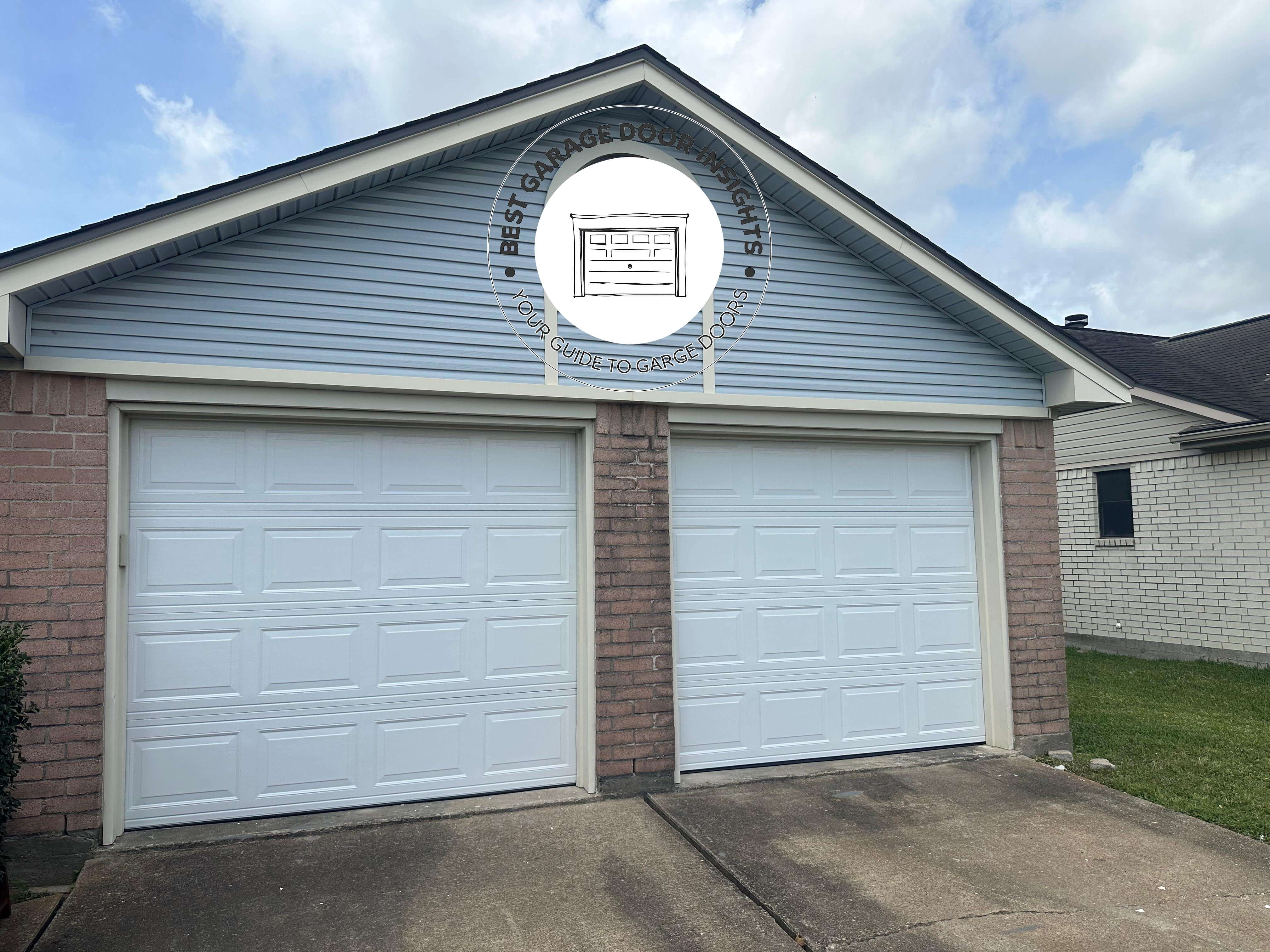
white-single-car-garages-short-panel

Best Garage Doors Openers and Product Buying Guides

Doors

Garage Doors

  • Top Brands Overview

    These manufacturers are the current leaders in residential garage doors, known for reliability and build quality:

    • Clopay: The market leader for residential homes. They are famous for their Intellicore insulation, which provides some of the highest energy efficiency ratings in the industry.
    • Amarr: A top choice for safety-conscious homeowners. They pioneered the "SafeGuard" system to prevent finger pinching and offer a wide range of styles at big-box retailers and through independent dealers.
    • C.H.I. Overhead Doors: Highly favored by designers for their aesthetic options. Their "Accents Woodtones" are widely considered the most realistic faux-wood prints on the market.
    • Wayne Dalton: Known for innovation and variety. They offer a massive selection of materials, including unique options like fiberglass and designer glass.

united-states-map
  • Best Doors by Category

Category Top Pick Key Benefit
Best Insulation Clopay Bridgeport Steel High R-value (up to 18.4) for climate-controlled garages.
Best Curb Appeal C.H.I. Shoreline Captures the "carriage house" look with zero-maintenance steel.
Best Modern Style Amarr Vista Full-view glass and aluminum for a contemporary aesthetic.
Best Durability Raynor Centura Features heavy-duty 24-gauge steel and a lifetime warranty.
  • Buying Essentials for 2026

    When comparing these models, keep these three technical factors in mind to ensure you're getting a "best-in-class" product:

    • The Insulation Type: Avoid "polystyrene" (styrofoam sheets) if you want real efficiency. Look for Polyurethane (Injected Foam). It bonds to the steel, making the door much stronger and quieter.
    • Steel Gauge: A lower number means thicker steel. A 24-gauge door is much more dent-resistant than a cheaper 27-gauge door.
    • The Spring System: Standard springs are rated for 10,000 cycles. Many "best" models now offer "High Cycle" springs (20,000 to 50,000 cycles), which is worth the upgrade if you use your garage as your primary entrance.
  • Current Market Trends

    • Matte Finishes: High-gloss is out. Matte black and "Iron Mountain" gray are the most requested colors this year.
    • Side-Mount Openers: More homeowners are switching to "Jackshaft" openers that mount on the wall next to the door, freeing up ceiling space for storage or car lifts.
    • Window Placement: Vertical window stacks on the right or left side (rather than across the top) are the dominant trend for modern and mid-century homes.
Openers

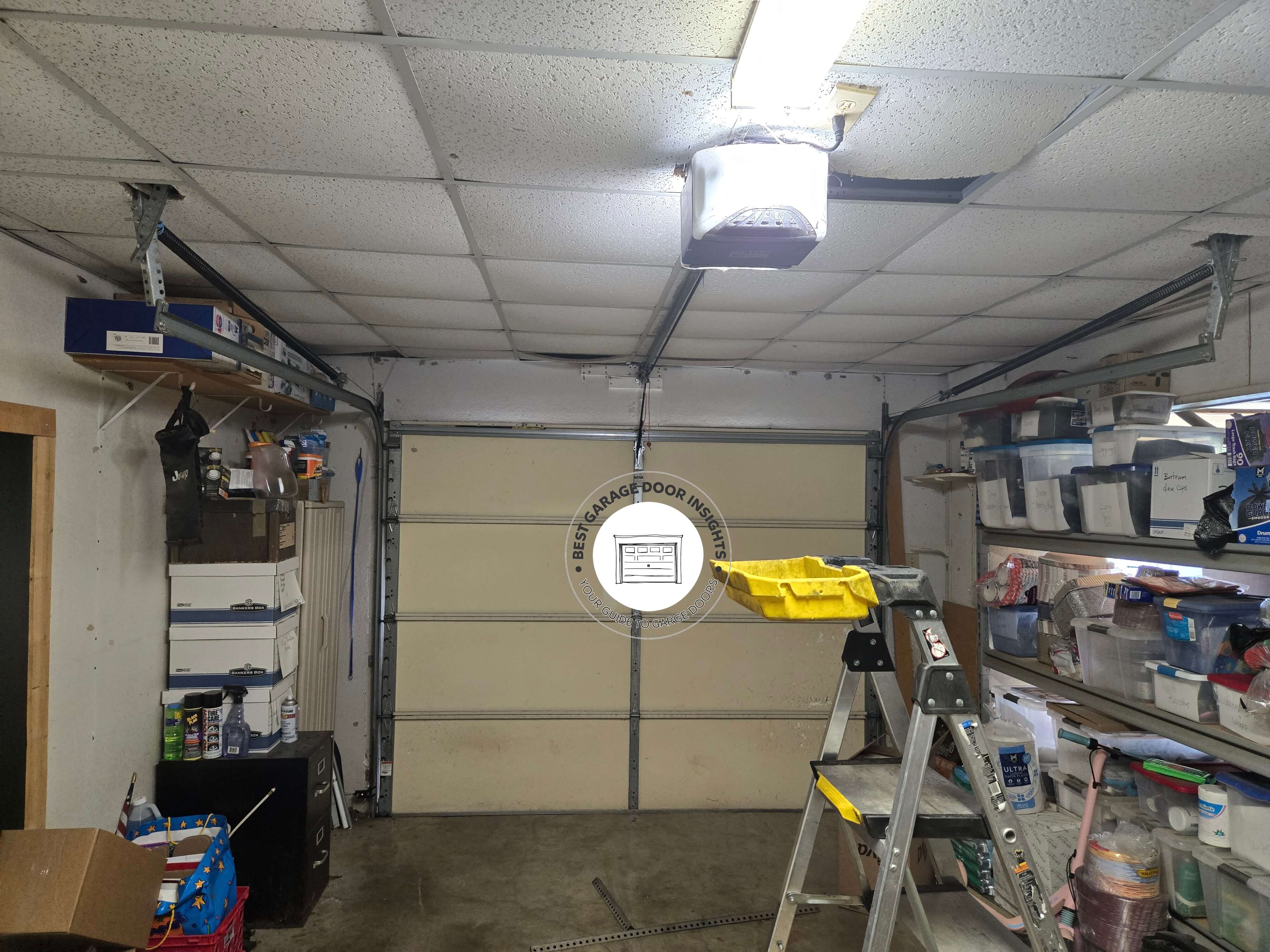
Garage Door Openers

If you’re looking for the best garage door openers in 2026, the market is dominated by DC motors (which are quieter than old AC versions) and integrated smart tech. Gone are the days of just a "clicker"—modern units now act as security hubs for your home.

Here are the top-rated garage door openers on the market right now.

  • The Best Brands & Models

Model Type Best For...
LiftMaster 8500W Wall Mount (Jackshaft) Space-saving & ultra-quiet operation.
Chamberlain B6753T Belt Drive Overall performance with a built-in camera.
Genie StealthDrive Connect Belt Drive Budget-friendly smart integration & easy DIY.
Marantec Synergy 380 Belt Drive Speed and high-intensity LED lighting.
  • Top-Rated Units by Category

    The Gold Standard: LiftMaster 8500W (Wall Mount)

    This is a "Jackshaft" opener, meaning it mounts on the wall beside the garage door rather than the ceiling.

    • Why it’s the best: It eliminates the rail and chain over your car, making it the quietest style available.
    • Key Feature: It comes with an automatic deadbolt that locks the door every time it closes.

    Best for Security: Chamberlain B6753T (Video Series)

    Chamberlain and LiftMaster are sister companies, but Chamberlain is designed for the high-end consumer market.

    • Why it’s the best: It features a built-in 1080p camera with motion detection and two-way audio.
    • Key Feature: The "Corner to Corner" LED lighting system is so bright (2,000 lumens) that you don't need any other lights in your garage.

    Best for Heavy Doors: Genie SilentMax 1200

    If you have a heavy wood door or a triple-layer insulated door, you need raw lifting power.

    • Why it’s the best: It uses a 140V DC motor that provides more "oomph" than standard DIY units.
    • Key Feature: It’s famous for its soft start/stop feature, which prevents the door from "jolting" and extends the life of your door’s hardware.
  • Features You Should Demand in 2026

    If an opener doesn't have these three things, it's likely an outdated model:

    Common Misconception: Horsepower (HP)

    You’ll see openers rated as 1/2 HP, 3/4 HP, or 1 & 1/4 HP.

    • The Truth: Most modern openers use DC motors, which are actually measured in HPS (Horsepower Similar).
    • Recommendation: A $1/2$ HPS is fine for a single car door, but for a double door or a heavy insulated door, always go for at least $3/4$ HPS to avoid straining the motor.
Springs

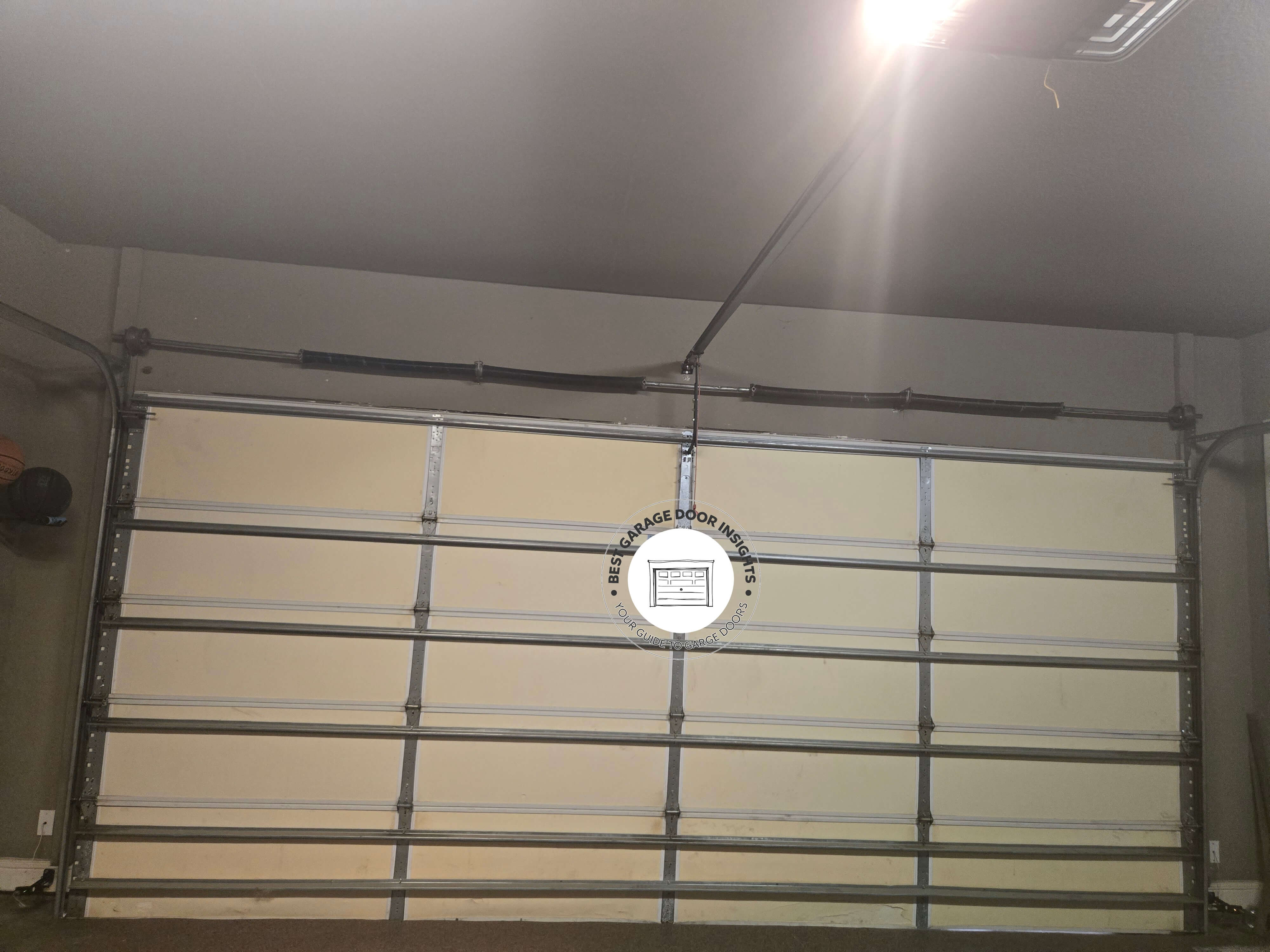
Garage Door Springs

  • Torsion Springs vs. Extension Springs

    If you are looking for the "best" setup, the debate is already over: Torsion springs are the superior choice for safety, balance, and longevity.

    • Torsion Springs: Mounted on a shaft above the door opening. They distribute weight evenly and stay contained on the shaft if they break.
    • Extension Springs: Mounted above the horizontal tracks. These are generally considered "entry-level." They are under high tension and can be dangerous if they snap without a safety cable.
  • The Best Steel Treatments

    The lifespan of a spring is determined by how the steel is treated during manufacturing.

    • Oil-Tempered (The Pro Choice): These are the industry standard for durability. The steel is dipped in oil and heat-treated, which makes it less brittle. They require a bit of lubrication to prevent "bleeding" black residue, but they hold their tension better than any other type.
    • Galvanized (Best for Humidity): These have a zinc coating to prevent rust. They look cleaner and are ideal for coastal or high-moisture environments. The Trade-off: They tend to stretch and lose tension more quickly, requiring a technician to "re-tension" them every few years.
    • Powder-Coated: These are oil-tempered springs with a baked-on finish. You get the strength of oil-tempering without the greasy mess. These are currently the premium choice for high-end residential installs in 2026.
  • Choosing the Right "Cycle Rating"

    When you buy a spring, you aren't just buying steel; you are buying "life cycles." One cycle is one full open and close of the door.

    • Standard Grade (10,000 Cycles): These usually last 6–9 years for the average family.
    • High-Cycle (25,000 to 30,000 Cycles): These use a thicker wire gauge and a larger inner diameter. This is the "best value" choice, as it triples the lifespan of the spring for a fraction of the cost of a second replacement.
    • Lifetime/Extended (50,000+ Cycles): Often used in commercial settings or high-traffic residential homes. These are massive springs designed to outlast the door itself.
  • Technical Buying Specs

    To ensure you get the best performance, pay attention to the Wire Gauge and Inner Diameter (ID).

Component Standard Spec High-Performance Spec
Wire Gauge Often .218 or .225 Usually thicker (.243 or .250)
Inner Diameter 2 inches 2.625 or 3.75 inches
Hardware Plastic Bushings Steel Ball Bearing Center Support

Pro Tip: If you want the "best" possible operation, upgrade your Center Support Bracket to one with a high-grade ball bearing. Standard brackets use a plastic or nylon bushing that creates friction and eventually squeaks; a steel bearing makes the door move effortlessly.

A Critical Safety Note

Garage door springs are under enough tension to cause fatal injuries. While you can safely buy them online or from a supplier, the installation requires specialized tools (Winding Bars) and knowledge. Unlike the door panels or the opener, the springs are the one component that should almost always be handled by a professional.

Repair

Garage Door Repair

Garage door repairs are increasingly split between smart-diagnostic fixes and traditional hardware maintenance. Because most modern doors are heavier and more insulated, the tension and precision required for repairs have become more specialized.

Here is the breakdown of the most common repairs, what they cost, and what you can actually do yourself.

  • Common Repair Costs (2026 Estimates)

Repair Task Professional Cost DIY Difficulty
Spring Replacement $200 – $450 Extreme (Not Recommended)
Cable Repair/Replacement $175 – $350 High (Dangerous)
Roller Replacement $150 – $300 Medium (Safe with door down)
Opener Logic Board $125 – $250 Low (Plug & Play)
Sensor Realignment $75 – $125 Zero (DIY in 5 mins)
Track Realignment $150 – $250 Medium
  • The "Smart" Fixes (Opener & Tech)

    Many modern openers (like 2026 Chamberlain or LiftMaster models) now feature onboard diagnostics.

    • The Flashing Light Code: If your door won't close, look at the opener's LED. It usually flashes a specific number of times to tell you exactly what’s wrong (e.g., "Sensor Blocked" or "Travel Limit Error").
    • Sensor Ghosting: Often, sensors aren't "broken"—they are just dirty or direct sunlight is blinding them. In 2026, many homeowners will use aftermarket sensor sun-shields to fix intermittent closing issues.
    • Logic Board Swaps: If your opener works sporadically or loses its Wi-Fi connection, the logic board may have fried. This is a 10-minute "screws and plugs" repair you can easily do yourself.
  • Hardware Repairs: What to Upgrade

    If you have to call a pro for a repair, don't just put back the "standard" parts. Use these "best-in-market" upgrades:

    • Nylon Rollers (with Ball Bearings): If your door is loud, replace the standard steel rollers with high-grade nylon ones. They are virtually silent and don't require grease.
    • 13-Ball Bearing Rollers: These are the "best" on the market. They allow the door to glide with almost zero friction, which saves your opener's motor from burning out.
    • Heavy-Duty Hinges: Check the numbers on your hinges (1, 2, 3, etc.). If you have a heavy insulated door, upgrading to 14-gauge steel hinges prevents the door from "sagging" or binding in the tracks.
  • DIY Maintenance (To Avoid Repairs)

    You can prevent 90% of service calls by doing these three things once a year:

    • The Balance Test: Pull the emergency release cord and lift the door halfway by hand. If it slams shut or shoots up, your springs are failing. Call a pro immediately.
    • Tighten the Vibrations: Use a socket wrench to tighten every bolt on the tracks and hinges. A loose bolt leads to a "shaking" door that eventually bends the tracks.
    • Lube, Don't Grease: Never put grease in the tracks (it collects hair and dirt, becoming "sandpaper"). Use a Silicone or Lithium spray on the springs, hinges, and rollers only.
  • When to Replace vs. Repair

    If you have to call a pro for a repair, don't just put back the "standard" parts. Use these "best-in-market" upgrades:

    • Repair if: The door is less than 10 years old, the damage is limited to one panel, or the issue is purely mechanical (springs/cables).
    • Replace if: The door has structural "buckling" (sections are bending), there is significant rust at the bottom, or the cost of the repair is more than 50% of a new $1,200–$1,800 door.
new-liftmaster-84505r-install
single-car-garage-short-panel-white
torsion-spring-replacement
FAQs

Frequently Asked Questions

3-layer insulated steel doors that include steel + insulation + steel backing. tend to stay in service longer then others.this construction provides superior strength, reduces panel flex, and protects against dents, rust, and daily wear. Compared to single-layer doors, they hold up much better in high-usage environments and extreme weather conditions like heat, humidity, and temperature swings.

Wood doors can also last a long time, but they require consistent maintenance such as staining or painting to survive warping, cracking, or rot—especially in climates with strong sun exposure. Aluminum and glass doors are modern-looking but tend to be less durable in terms of impact resistance.

When it comes to real longevity, the door itself is just one piece of the puzzle. The springs, rollers, installation, and maintenance plan have a significant impact.

It is usually a good investment to switch to an insulated garage door. Particularly for attached garages or homes in a warmer climate. Insulated garage doors minimize heat transfer and therefore help to keep the garage cooler in the summer and warmer in the winter. This also means your HVAC system will not have to work as hard if the garage is partially heated or cooled, or if it shares interior walls with the home.

In addition to temperature control, the advantages of an insulated garage door include:

  • Noise reduction: With several layers of insulation and a more substantial material, the door is much quieter when opening and closing.
  • Durability: Insulated garage doors are sturdier and less likely to bow, crack, or warp over time.
  • Energy efficiency: Perfect if you have living space above the garage or use it as a workshop.
  • Less strain on the opener: A sturdy, insulated door is less heavy than a non-insulated one, which means less wear and tear on the opening mechanism.

While the higher cost can be a deterrent, the long-term advantages make up for it.

lifetime-torsion-springs-install
new-opener-install
Prices

Our Prices

City & State Total cost to Install New Garage Door Torsion Spring Total cost to Install New Garage Door Opener Total cost to Install New Garage Door
Dallas, Texas $250 – $600 $450 – $1,200 $1,200 – $4,500
Edison, New Jersey $250 – $600 $450 – $1,200 $1,200 – $4,500
Secaucus, New Jersey $250 – $600 $450 – $1,200 $1,200 – $4,500
Plano, Texas $250 – $600 $450 – $1,200 $1,200 – $4,500
Phoenix, Arizona $250 – $600 $450 – $1,200 $1,200 – $4,500
Las Vegas, Nevada $250 – $600 $450 – $1,200 $1,200 – $4,500
Chicago, Illinois $250 – $600 $450 – $1,200 $1,200 – $4,500
Denver, Colorado $250 – $600 $450 – $1,200 $1,200 – $4,500
Houston, Texas $250 – $600 $450 – $1,200 $1,200 – $4,500
San Diego, California $250 – $600 $450 – $1,200 $1,200 – $4,500
Orlando, Florida $250 – $600 $450 – $1,200 $1,200 – $4,500
Atlanta, Georgia $250 – $600 $450 – $1,200 $1,200 – $4,500
Seattle, Washington $250 – $600 $450 – $1,200 $1,200 – $4,500
Los Angeles, California $250 – $600 $450 – $1,200 $1,200 – $4,500
Charlotte, North Carolina $250 – $600 $450 – $1,200 $1,200 – $4,500
Get in Touch

Contact Us